

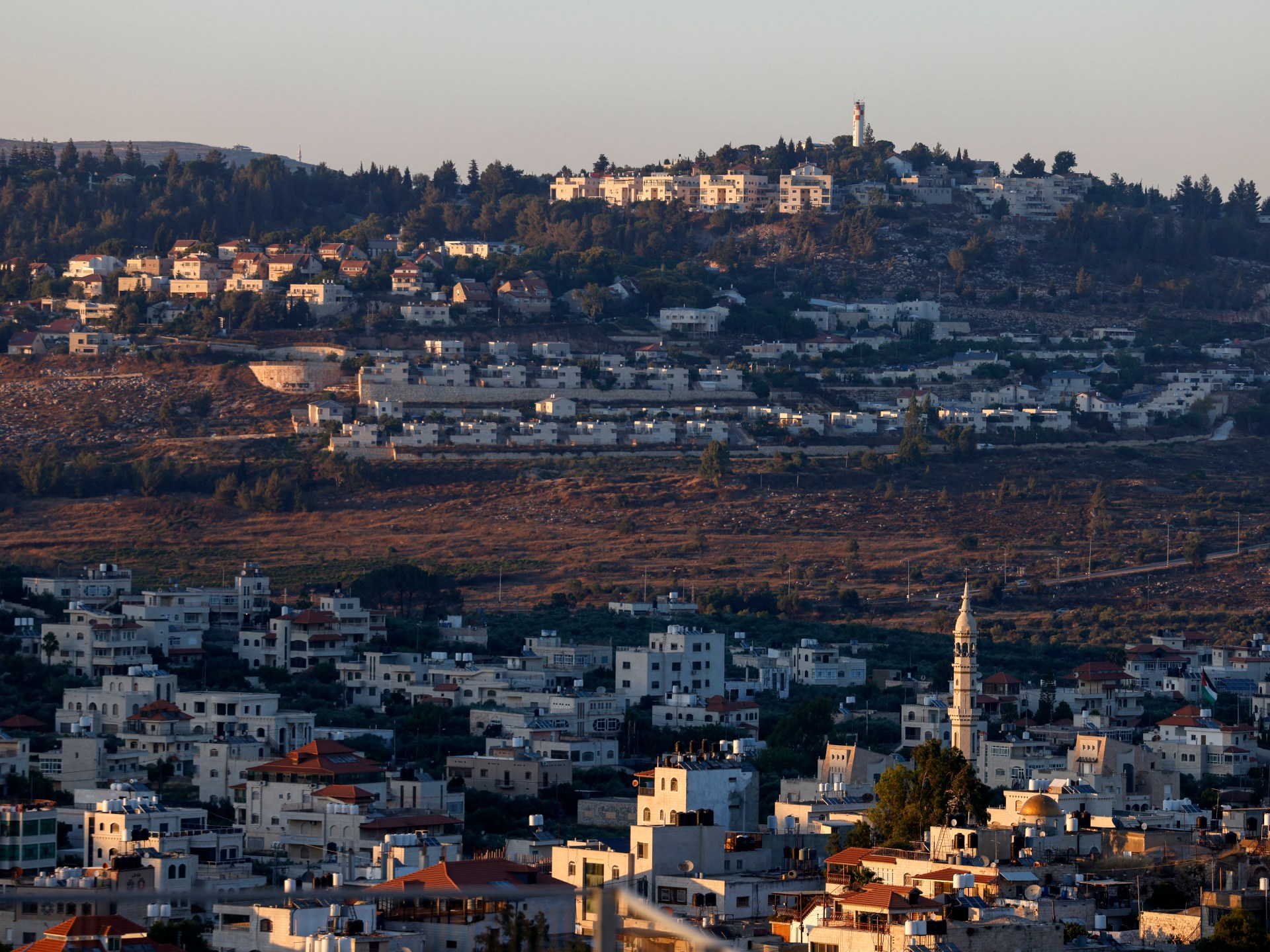

The Netherlands is set to ban imports of goods from illegal Israeli settlements in the occupied Palestinian territories.
The Dutch government announced the final approval of a decree on Tuesday. It will see the Netherlands ban the “import, purchase, and sale of goods originating from unlawful Israeli settlements in the Palestinian Territories” from September 22.
With the move, the Netherlands will join a small but fast-growing group of European countries acting unilaterally on an issue that is focused mainly on illegal settlements in the occupied West Bank. European Union member states remain divided on instigating a bloc-wide ban, despite several governments pushing hard for a common regime.
The Netherlands’ Foreign Affairs Minister Tom Berendsen noted to parliament that the trade ban had already been planned, although the implementation date is new.
A majority in the Tweede Kamer, the lower house of the Dutch parliament, last year supported the measures.
Under the measure, it will also be illegal for Dutch companies to provide brokering services that facilitate trade with illegal Israeli settlements.
Favourable tax regulation has made the Netherlands a key location for many global corporations. The ban also applies to Dutch companies operating abroad.

The Dutch measures follow a similar move by Belgium, which approved its own import ban days earlier.
Advertisement
The Netherlands also joins Spain and the Republic of Ireland among EU states acting unilaterally, as pressure builds on the 27-nation bloc to adopt a coordinated response to Israel’s actions in Gaza and the occupied territories.
The Dutch Council of State raised no objection to the policy, though it flagged doubts over how enforceable it would be in practice, a concern that the government said it had already weighed when the measure was first announced two months ago.
The Dutch government has acknowledged that Israel’s settlements in the West Bank are unlawful under international law and has said the ban reflects its obligation not to contribute to that situation.
Dutch far-right politician Geert Wilders denounced the decision on X, saying he was “deeply ashamed” by the move.
Research released in June by the Global Echo group, which pursues legal cases for Palestinians against the occupation, found the Netherlands accounted for a third of agricultural exports from Israel’s illegal settlements and nearly half of those destined for the EU.
Imports from the settlements consist mainly of agricultural products, including avocados, dates, oranges, grapes and fresh herbs. The measure will also cover products from the occupied Golan Heights, a region known for wine production.
Annual trade involving the affected territories is estimated to be worth tens of millions of euros, although its exact value is difficult to determine.
Related News

Trump administration indicts Olympic athlete for Reflecting Pool vandalism

Pope Leo, Mamdani send pro-immigrant message for US’s 250th anniversary

Todd Blanche’s loyalty to Trump questioned in Senate confirmation hearing