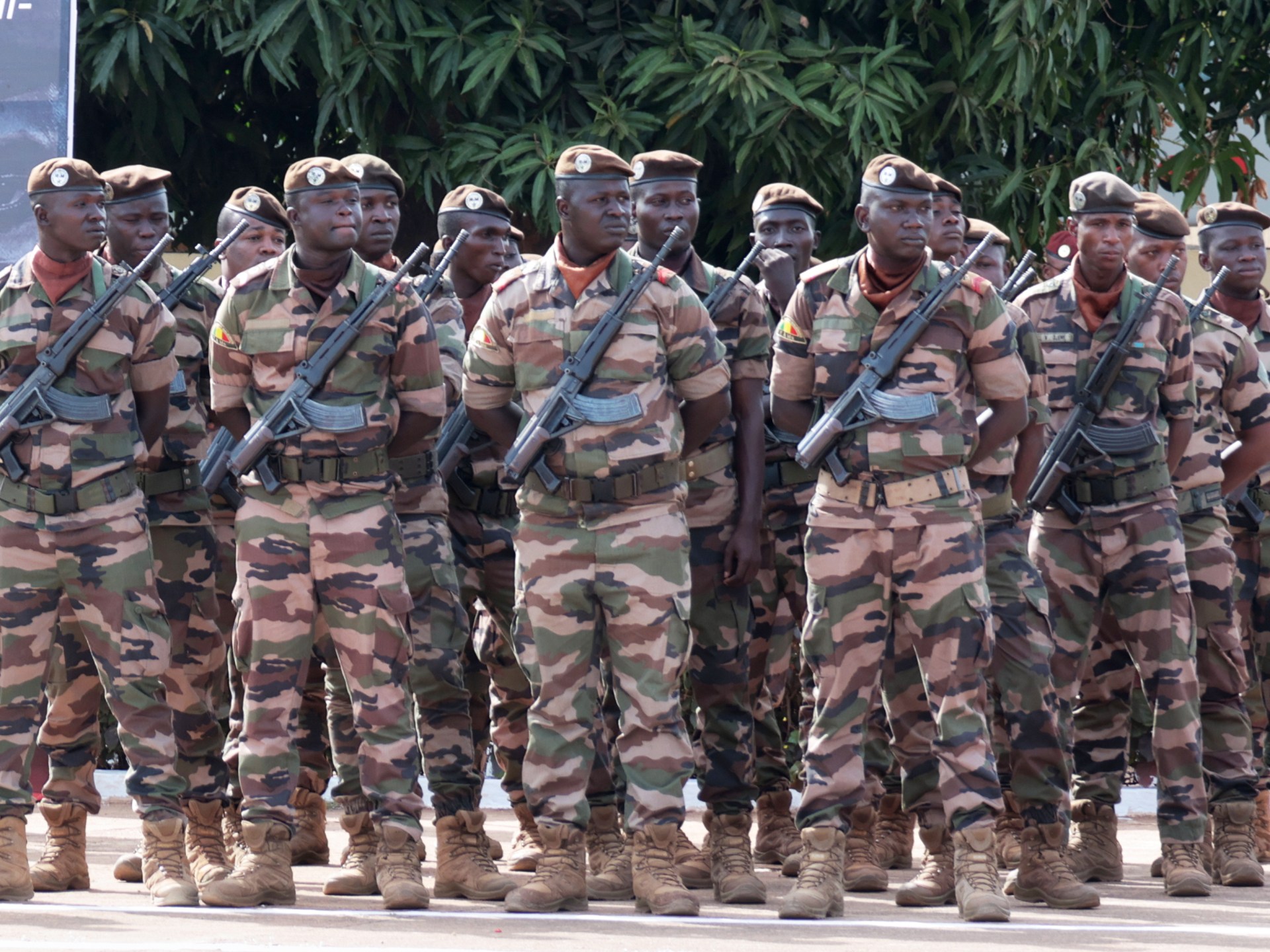

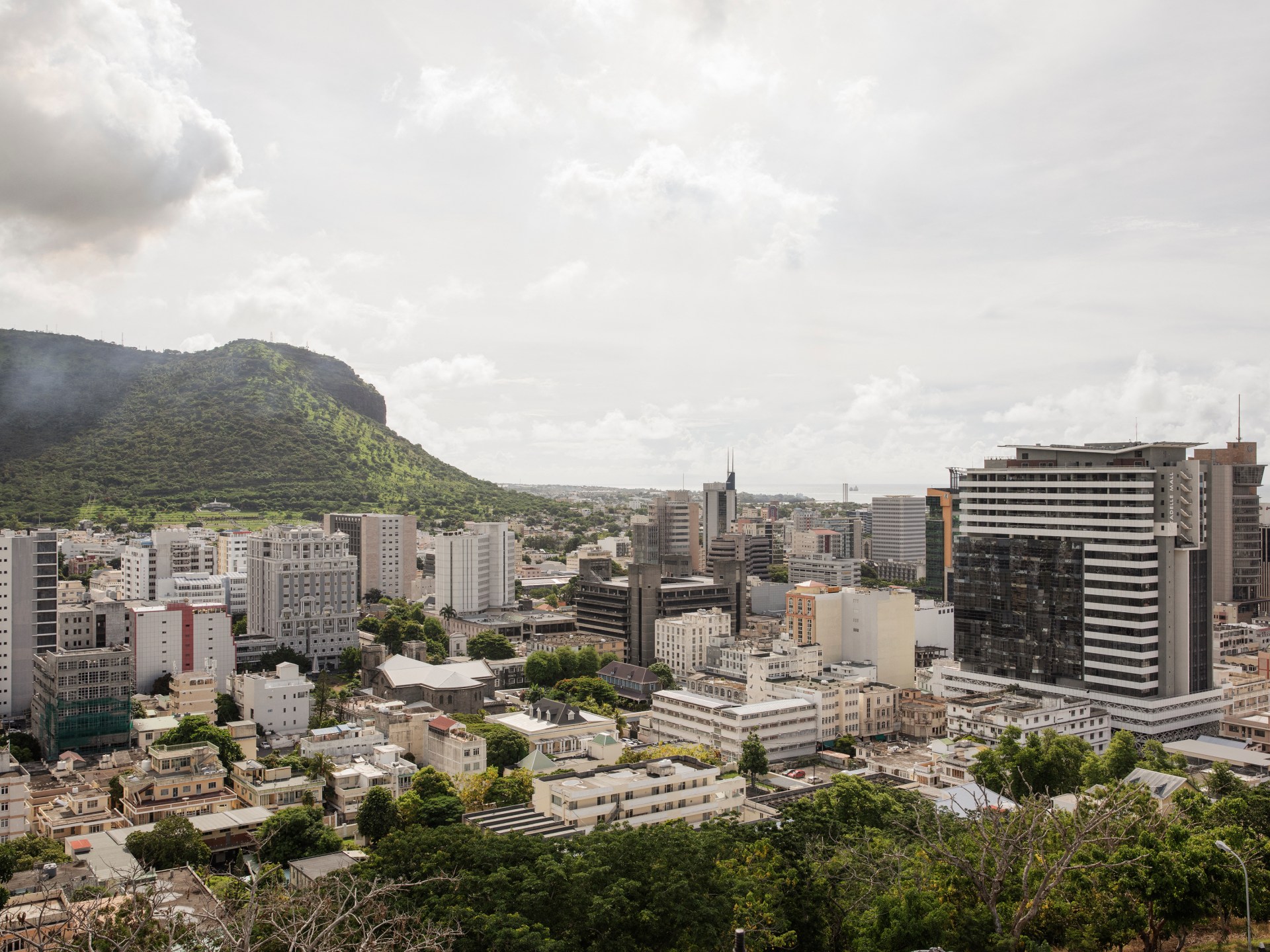

Mauritius has lifted a nighttime curfew that was imposed last week amid a rare wave of violent demonstrations.
The government announced on Monday that the “favourable evolution of the situation” had allowed the end of the curfew. The protests on the Indian Ocean archipelago began last week over water shortages and the rising cost of living, but violence exploded after a police officer shot and seriously wounded a woman on Saturday.
- list 1 of 3Remembering Mauritius’s worst environmental disaster
- list 2 of 3Mauritius battered by tropical downpour
- list 3 of 3The Mauritius economic miracle
end of list
“The curfew currently in effect will not be extended, effective today,” the office of Prime Minister Navin Ramgoolam said in a statement.
“The last curfew ended at 4:30am on Monday 19 October, and it has not been extended. Roads are open, all schools have reopened with classes running as usual, and daily life is back on track,” the Mauritius Tours tourism operator confirmed on its website.

The unrest saw at least 188 people arrested on charges including looting, arson, damage to police stations, and possession of explosives in the following days.
The police officer who shot the woman in the neck has been arrested and brought to court, authorities said.
The island nation of Mauritius is usually viewed as a model of stability and prosperity in Africa. The last major unrest was in 1999, when a renowned singer died in police custody.
However, the unrest provoked a British government update of its travel advice, which urged people travelling to the popular holiday destination to take care.
Advertisement
“The Government of Mauritius introduced temporary curfews during the evenings and overnight, covering most areas of the main island, which lasted from 12 October to 18 October, ending at 4.30am on Monday 19 October,” the British government said in a statement.
“Stay away from demonstrations and large public gatherings and follow the advice of local authorities,” it warned tourists.
Related News

What the Iran war has done to the world’s energy supply, in charts
Photos: Gaza mothers endure endless lines as famine fears persist
Two German states go to the polls after far-right gains