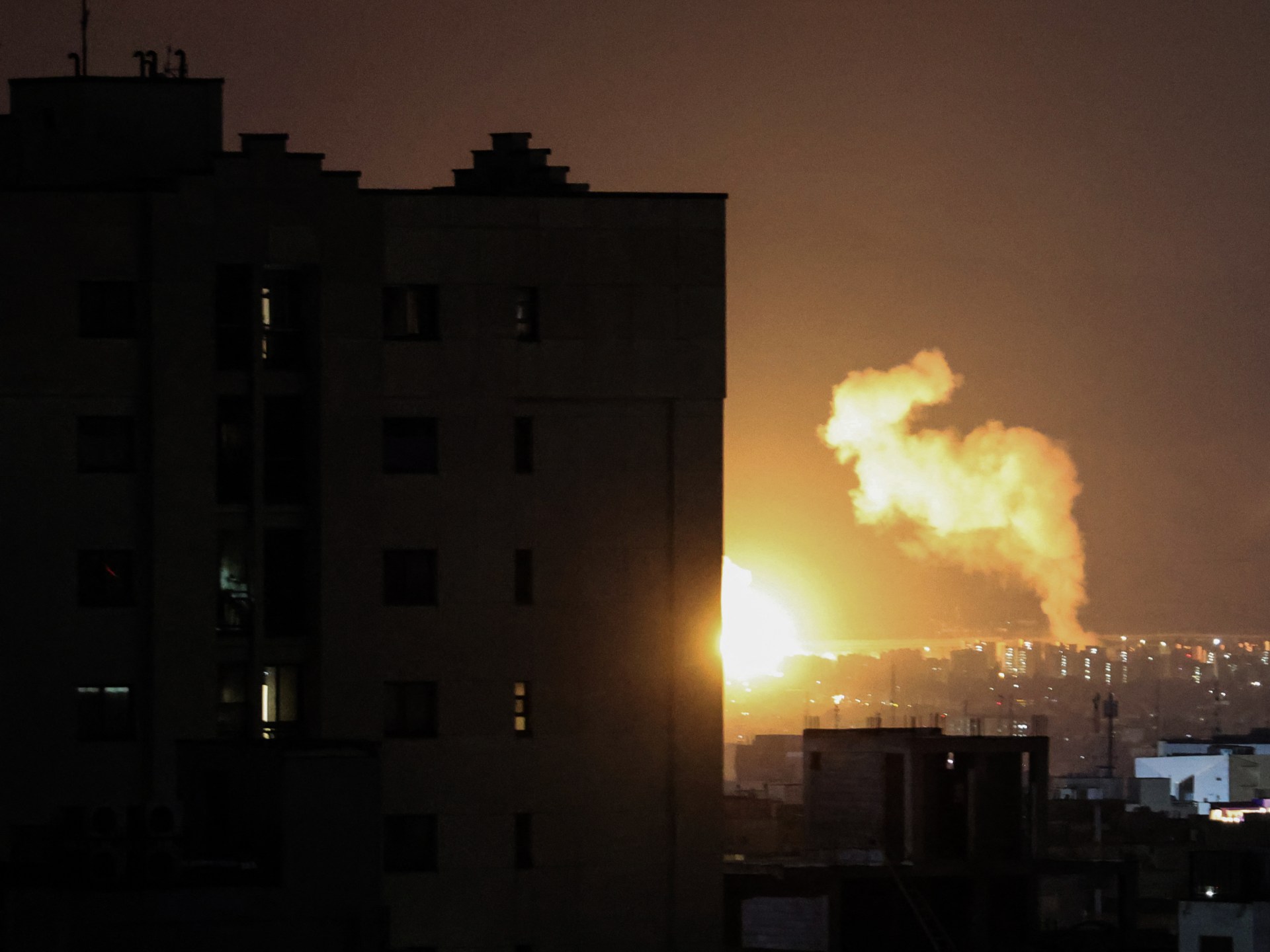


Iran has threatened to attack oil and gas facilities in the Gulf region in retaliation for an Israeli strike on its South Pars gasfield as the fallout from the United States-Israeli war on the country continues to escalate.
In a statement shared by Iran’s semiofficial Tasnim news agency on Wednesday, Iranian authorities said five facilities in Saudi Arabia, the United Arab Emirates and Qatar “will be targeted in the coming hours”.
- list 1 of 3Not just energy: How the Iran war could trigger a global food crisis
- list 2 of 3How Iran defied Trump threats to emerge as Strait of Hormuz gatekeeper
- list 3 of 3Iran war: What is happening on day 19 of US-Israel attacks?
end of list
The facilities are Saudi Arabia’s SAMREF refinery and Jubail petrochemical complex, the UAE’s Al Hosn gasfield, and Qatar’s Ras Laffan refinery and Mesaieed petrochemical complex and holding company.
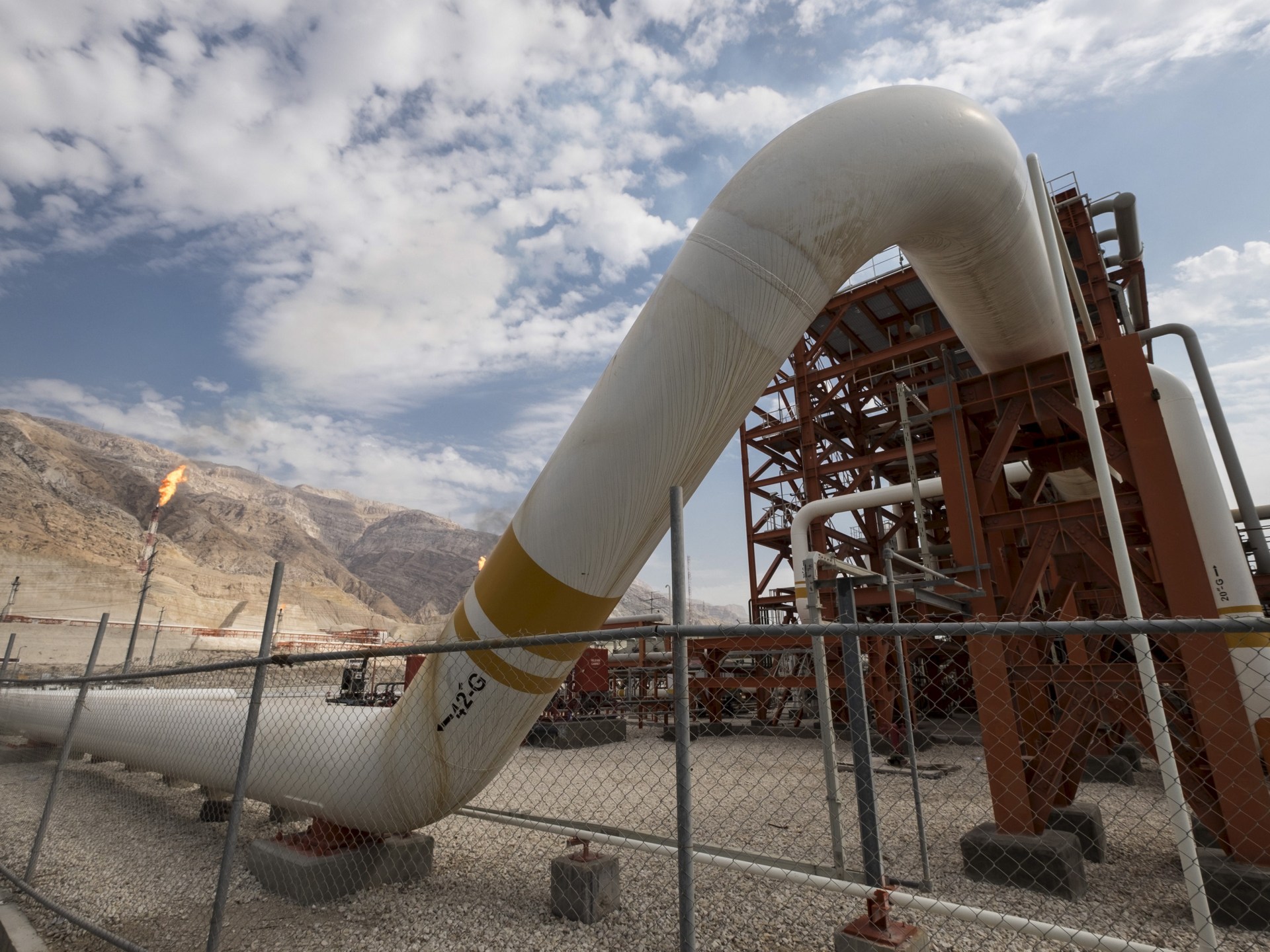
The threat comes after Iranian state media reported that natural gas facilities associated with its offshore South Pars field – the largest gasfield in the world, located off the coast of southern Iran’s Bushehr province – were attacked.
In a statement shared by Tasnim, Iran’s Ministry of Petroleum said a number of facilities were damaged but no casualties were immediately reported. Iranian state media also reported that a fire at the gasfield was under control.
Quoting unnamed sources, Israeli media reported that the country’s air force carried out the attack.
Israel and the US have carried out strikes on a range of targets across Iran, including oil facilities, since the war began on February 28.
Retaliatory Iranian missile and drone attacks on countries in the wider Middle East, including on Arab Gulf states, have also continued despite growing concerns over the conflict’s widening impact on global energy markets.
Advertisement
Iran’s essential closure of the Strait of Hormuz – a critical Gulf waterway through which about one-fifth of the world’s oil and liquefied natural gas transits – has sent energy prices soaring.
While Iran says it is firing at US military assets in the region, Gulf leaders have repeatedly denounced the attacks as a violation of international law and said they have targeted civilian infrastructure.
Majed al-Ansari, spokesperson for Qatar’s Ministry of Foreign Affairs, on Wednesday condemned Israel for targeting South Pars, noting that the Iranian gasfield is an extension of Qatar’s North Field.
The attack marks “a dangerous & irresponsible step amid the current military escalation in the region”, al-Ansari said in a statement shared on social media.
“Targeting energy infrastructure constitutes a threat to global energy security, as well as to the peoples of the region & its environment,” he wrote.
“We reiterate, as we have repeatedly emphasized, the necessity of avoiding the targeting of vital facilities. We call on all parties to exercise restraint, adhere to international law, & work toward de-escalation in a manner that preserves the security & stability of the region.”
Reporting from Dubai, Al Jazeera’s Zein Basravi said the Gulf states are seeking to “find an off-ramp” to help end the war.
But Basravi said: “No matter how many voices try to call for a negotiated solution, unless there is an end to the targeting and fighting by both sides, there is really no room for a discussion on how to move forward.”
“What we are likely to see is these countries trying to bring more political pressure, more diplomatic pressure – not just on Iran, but also on the United States – to try to pull back from the conflict.”
He noted that Saudi Arabia will host a meeting of foreign ministers from Arab and Muslim-majority countries in Riyadh on Wednesday to discuss the crisis.
“The events of the day are certainly going to make this meeting much more urgent, much more timely and likely much more tense,” Basravi said.
Related News

Argentina officially withdraws from World Health Organization, following US
Can Iran’s asymmetric warfare hold US-Israeli military power at bay?
North Korea fires ballistic missiles as US-South Korea hold military drills