Since When Is The US Department Of War A Foreign Investor? The $85.5 Million Guyana Question
 11 August 2026


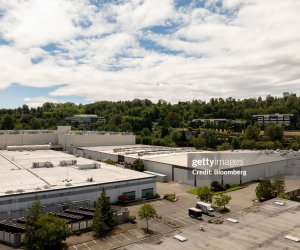
News Americas, NEW YORK, NY, Tues. August 11, 2026: The US Department of War has announced an $85.5 million equity investment – not in an American company, not on American soil, but in a bauxite mine in Guyana. Combined with $64.5 million in private co-investment, the deal totals $150 million in U.S.-backed money flowing to acquire and expand a foreign mining operation, all in the name of national security.
Days later, Deputy Secretary of State Christopher Landau is on his way to Georgetown. The State Department announced Landau travelled to Trinidad and Tobago and Guyana on August 9th and will be there until August 12, meeting with President Irfaan Ali and his cabinet to discuss “expanding bilateral economic cooperation” and, specifically, “enhancing collaboration in strategic sectors including energy and critical minerals.”
It is Landau’s second high-profile engagement in Guyana in a month, following his appearance at July’s U.S.-Guyana Enabling Investment Forum, where he praised the country’s economic growth and discussed unlocking American investment in agriculture, critical minerals, energy, infrastructure, and housing. It is the same Christopher Landau whose only public response to the MV Barima ferry disaster, which killed at least 73 Guyanese and left dozens more missing, was a single social media post offering condolences.

This isn’t an isolated move. The US Department of War has increasingly taken equity stakes in critical minerals projects over the past year, from a $400 million stake in MP Materials’ rare earth operations in California to a 10% equity position in Trilogy Metals’ Alaska claims, all justified as reducing American dependence on Chinese-controlled mineral supply chains. But nearly every other deal in that pattern funds processing and refining capacity on American soil. The Guyana agreement is different: it is U.S. tax payer money used to acquire and expand a mine inside another country’s borders entirely, backed up now by a Deputy Secretary of State flying in personally to see it through.
So here’s the question worth asking plainly: since when is the Department of War in the business of foreign investment? And if $85.5 million in taxpayer money, and a senior State Department official’s travel schedule, can move this quickly to secure a foreign bauxite mine for America’s own defense supply chain, what does that say about the priorities behind it, when American families are skipping groceries and rationing medication because they can’t afford either?
The same government finding tens of millions for a mine in Guyana, and sending its Deputy Secretary of State there twice in one month, has in that same stretch been unable or unwilling to offer Guyana any material help of its own, sending a single condolence message after the MV Barima disaster while France, Trinidad and Brazil sent divers, ships, and Coast Guard vessels. It slapped a 12.5% tariff on Guyana days after courting the country for investment. And separately, American taxpayer dollars are now funding third-country deportation arrangements, paying other nations to accept people the United States doesn’t want, even as those same taxpayers are told there isn’t enough to go around at home.
“America First” was sold as a promise that U.S. resources would be redirected toward Americans first. What the bauxite deal, and Landau’s swift return trip to seal it, reveal is something more specific: U.S. resources and diplomatic attention move fast and decisively when they serve U.S. defense and industrial interests abroad, foreign mines, foreign supply chains, foreign deportation deals, even as the “America First” rhetoric suggests something closer to home should come first. Guyana’s bauxite matters enough to the Pentagon and the State Department to warrant a personal visit within days. Whether Guyana’s own people, or America’s own struggling families, matter as much is a fair question neither government has really answered.
NewsAmericasNow will continue tracking U.S. investment and diplomatic engagement in Guyana.
Related News

Guyana July’s Oil Profits Should Be At Least 100 Times The Amount Needed To Salvage MV B...

Caribbean Wages 2026: Guyana And Suriname’s Oil Boom vs. Some Of The Region’s Lowest P...
Guyana Is Leaving Millions On The Table With Exxon While It Searches For A Company To Salv...