

Pakistani officials are expecting a “major breakthrough” in talks between Iran and the United States on Tehran’s nuclear programme, sources have told Al Jazeera, as Islamabad steps up diplomatic efforts to end a war that has killed thousands of people.
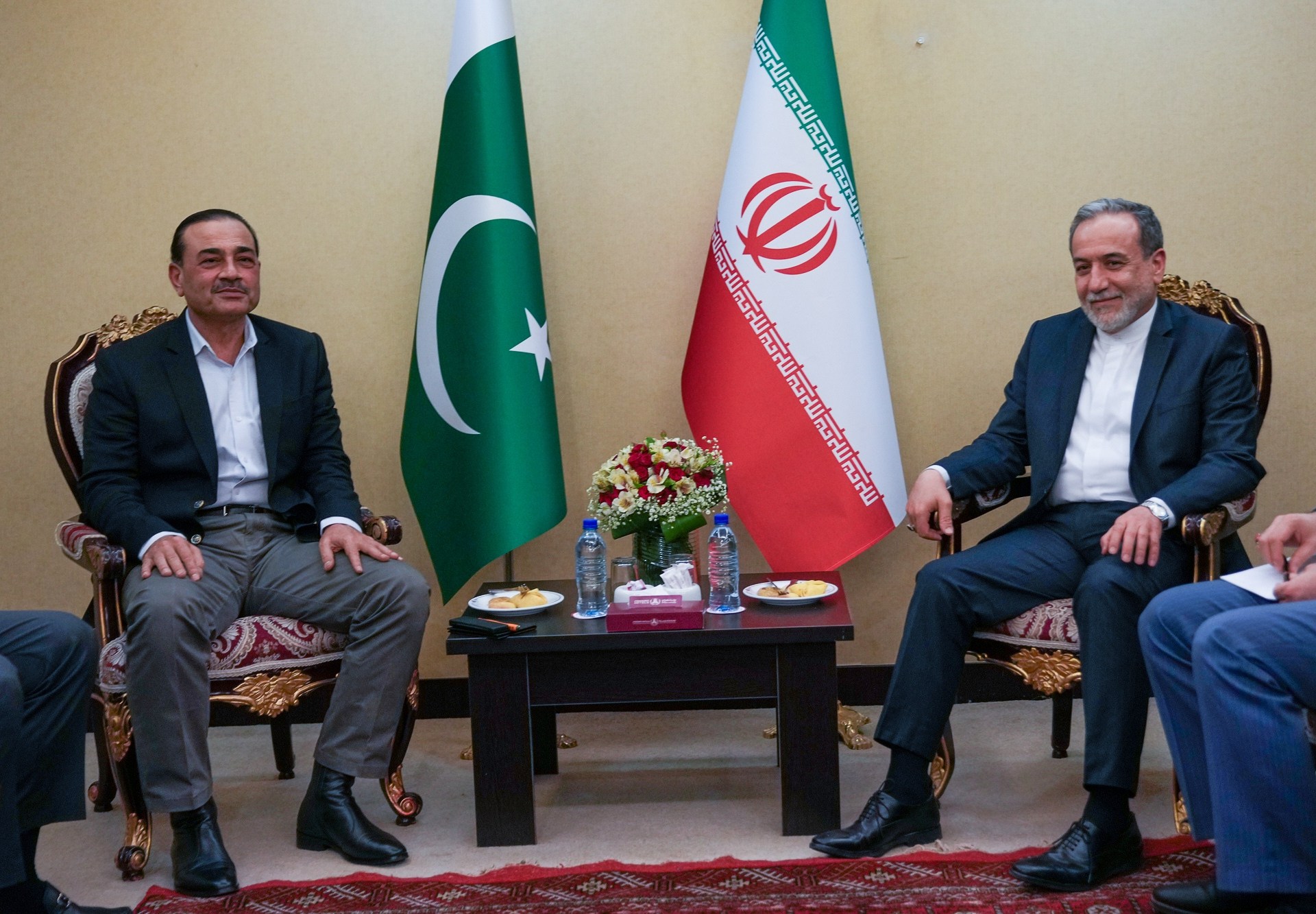
The optimism on Wednesday came as a high-level Pakistani delegation, headed by Army Chief Asim Munir, arrived in Tehran to deliver a message from the US to the Iranian leadership, according to Iran’s Press TV broadcaster.
- list 1 of 4Pakistan expecting ‘major breakthrough’ tied to Iran’s nuclear programme
- list 2 of 4Could the EU’s alliance with Israel soon change?
- list 3 of 4US Senate rejects another war powers resolution to limit Trump on Iran
- list 4 of 4Pakistan army chief in Tehran to advance next round of US-Iran talks
end of list
He was received by Iran’s Foreign Minister Abbas Araghchi, who expressed gratitude for Pakistan’s “gracious hosting of dialogue”. According to Press TV, Munir is also seeking to lay the groundwork for a second round of talks between the US and Iran.
Al Jazeera’s Osama Bin Javaid, who has been covering the US-Iran talks, said Pakistani officials were expecting “a major breakthrough on the nuclear front” and that the delegates were continuing to relay messages back and forth between Washington and Tehran.
The central sticking point remains the duration of any enrichment freeze by Iran and the country’s stockpile of 440 kilogrammes of highly enriched uranium.
“We know that both sides are essentially stuck on between five years of no enrichment to 20 years of no enrichment. And there is a solution in the middle,” Bin Javaid said.
“There’s also talk about what Iran will do with the 440kg of nuclear-enriched material that it has in the country. There are multiple options – whether sending it abroad to a third party or bringing it down to either uranium in its natural form or up to 3 percent,” he said.
Advertisement
“According to these sources, there’s major headway that has been made, and they’re expecting that the Pakistanis are going to be able to convince Tehran,” he added.
Shuttle diplomacy
The shuttle diplomacy by Pakistan came after talks between the US and Iran in Islamabad ended over the weekend without an agreement to end the war. Mediators are pressing for a compromise on three main issues: Iran’s nuclear programme, control of the Strait of Hormuz – which Tehran has effectively closed, causing a surge in global oil prices – and compensation for wartime damages.
The conflict, launched by the US and Israel on February 28, has killed more than 3,000 people in Iran and triggered retaliatory attacks by Tehran on Gulf countries. It has also reignited a conflict between Israel and Hezbollah in Lebanon, where Israeli forces have killed more than 2,000 people since March 2.
A ceasefire between Tehran and Washington on April 8 has halted attacks in Iran and the Gulf, but strikes by Israeli forces on Lebanon have continued.
Separately on Wednesday, Pakistan’s Prime Minister Shehbaz Sharif also travelled to Saudi Arabia as part of a regional tour that also includes stops in Qatar and Turkiye. Al Jazeera’s Bin Javaid said Sharif’s tour was part of a “double-pronged strategy”.
“While the Iranians are speaking to the Pakistani military chief, the Pakistani prime minister and foreign minister are talking to the Saudis and the Qataris. The day after, they go to Turkiye,” he said, with the aim of neutralising any detractors to a deal
Bin Javaid said the detractors include elements in Tehran, in Washington, DC, and most of all, Israel, “which does not want a peace deal and wants a perpetual war in the region”.
‘Very close to over’
The diplomatic push appears bolstered by optimistic comments from US President Donald Trump, who said late on Tuesday that the world should brace for an “amazing two days” and the war on Iran is “very close to over”.
White House Press Secretary Karoline Leavitt later said that further negotiations would likely be held in Islamabad, calling Pakistan-mediated discussions “productive and ongoing”.
“We feel good about the prospects of a deal,” she said on Wednesday.
In Tehran, Iran’s Ministry of Foreign Affairs confirmed that exchanges with the US have continued since the end of the talks in Islamabad. Spokesman Esmaeil Baghaei said “several messages have been exchanged through Pakistan” and that Iranian “positions have been expressed in those exchanges”.
Advertisement
Tensions remain, however.
A US Navy blockade on Iranian ports – which began following the end of the talks – remains in effect in the Strait of Hormuz. The US Central Command claimed it has turned back nine vessels as of Wednesday.
Iran’s military has denounced the blockade as a violation of the April 8 ceasefire. Iran’s Fars News Agency separately reported that a sanctioned Iranian supertanker had crossed the Strait of Hormuz despite the blockade, though it gave no further details.
Ali Abdollahi, the commander of Iran’s joint military command, has also threatened to halt trade in the region if the US does not lift its blockade. He warned that Iran would retaliate by blocking trade through the Red Sea, along with the Gulf and the Sea of Oman.
Related News
Gaza families still unable to bury dead six months into ‘ceasefire’

‘Why my child?’: Yemen’s Taiz mourns sniper’s killing of teen
Nigerian artisans preserve handwoven fabric amid rising global demand